Local Estimating & Construction Challenges in Texas
Texas has a large construction market with new residential, office, road, warehouse, and commercial developments being built throughout the state. Cities such as Houston, Dallas, Austin, San Antonio, and Fort Worth are leading the way in terms of ongoing construction work.
However, with this ongoing construction activity comes the local challenges that contractors need to know before submitting a bid or starting work on a project. Local labor rates, material prices, weather, building codes, and site conditions can all affect a job’s bottom line.
This is where local estimating and construction estimating services in Texas can help a contractor with their project planning and bid preparations.
Understanding the Texas Construction Market
When working in Texas, there are local differences that a contractor should be aware of. A Houston contractor will have different material requirements when working in Dallas or Austin.
An understanding of the local market is an essential part of creating a construction estimate, as not only do local labor rates and material prices factor in, but also the equipment, subcontractor quotes, and project requirements play a part.
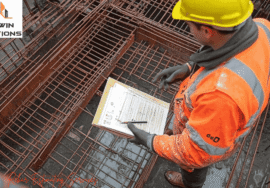
A Texas construction cost estimator reviews a project’s plans and determines the quantities of materials needed to complete the work. This enables them to calculate a cost basis for the contractor to use for the purpose of submitting a bid and planning a project.
Challenges Estimating Labor Costs in Texas
A contractor’s labor costs can make up the largest portion of a construction job’s budget. Not only can labor rates vary per location, but also according to the type of trade and the work scope.
The project may require the hiring of electricians, plumbers, drywallers, concrete workers, painters, roofers, and steel workers, to name a few. A local estimate in Texas will help a contractor use accurate numbers based on the location of the work scope.
Using material costs from a different market to estimate work to be done in Texas will create a disconnect between the estimated and actual costs of the project. A contractor will also have to determine the hours needed for labor, and a miscalculation of a production rate can have an impact on the estimate.
-
Material Price Variances in Texas
The fluctuations in material costs can also have an impact on the cost of a project during the bidding and construction phases. Lumber, concrete, steel, drywall, electrical, plumbing, and other material costs can vary depending on the suppliers and location. Projects based in Texas will also have to take into consideration material specifications to suit local project requirements.
A construction material takeoff in Texas will allow for the identification of the quantity requirements for a project. Materials such as concrete, rebar, lumber, drywall, doors, windows, piping, and electrical items can be determined by a material takeoff in order to avoid over- or undersupply of materials for the project.
-
Weather & Delays in Texas
The weather conditions in Texas can also have an impact on a project schedule. Heatwaves, storms, and rainy seasons may cause project delays in certain localities. Coastal areas are also prone to storm and flooding incidents. Rainy seasons can also bring about project interruptions relating to excavation, concrete work, sitework, and foundation work.
Delays due to weather variations can also create an increase in labor and equipment costs. When submitting a job estimate, a contractor should keep in mind potential site and schedule variations that could affect the cost of the project.
-
Local Building Codes & Requirements in Texas
Projects will typically have to abide by local building codes and requirements. A contractor should take note of the requirements and specifications that may differ per city or county.
A review of the project’s zoning, permits, inspections, and requirements should be undertaken before a bid is prepared, as a failure to comply can result in project variations during the works in progress and create an increase in the job cost.
Therefore,e a review of the plans, specifications, and scope of works will allow for a more thorough estimation analysis.
-
Site Conditions in Texas
Site conditions can also be a deciding factor in the cost of a project. Soil, drainage, access, grading, excavation, and existing structures must all be taken into account. Some jobs may also require excavation and site preparation, which could affect a job’s estimate.
A Texas sitework estimate will help take into consideration excavation, grading, earthwork, utilities, paving, and the like. A review of these items will help a contractor understand what the expected project cost for sitework is.
-
Concrete & Foundation Estimating in Texas
Concrete work can be a significant part of residential and commercial developments in Texas. Foundations, slabs, walls, footings, driveways, parking lots, and other structures may all require concrete work. Small errors in quantity calculations can create serious cost variations on large projects.
Calculations involving concrete, rebar, forms, labor, equipment, and other associated work should be taken into consideration for a concrete estimating service in Texas. A detailed concrete estimator will be able to review the details in plans and organize the quantities and costs based on a project’s drawings.
Residential Construction Challenges in Texas
Residential construction work in Texas makes up the largest portion of the construction market in the form of new home developments, additions, renovations, and other works. A residential construction estimator in Texas will take into consideration the numerous trades involved with residential developments such as framing, roofing, siding, insulation, drywall, painting, floor covering, plumbing, electrical, HVAC, and landscaping, among others.
A residential estimator will be able to segment the project costs in accordance with the trades involved and assist in identifying items that may be missing before the time of submitting a bid.
Commercial Construction Estimating in Texas
Commercial developments tend to require more trades and larger volumes when compared to residential developments. Offices, retail, warehouses, restaurants, and schools,s among other buildings, gs can require a commercial construction estimate. Items such as structural, concrete, steel, masonry, drywall, ceilings, floors, MEP, finishes, and sitework may also need to be segmented in accordance with the trades involved.
A commercial construction cost estimator in Texas will be able to organize these items according to the trades involved and help a contractor with the submission of their bids.
The Value of Local Estimating in Texas
Using local estimating data will allow a contractor to submit a bid based on the estimates of material costs, trades, conditions, and local construction practices. Professional construction estimating services in Texas can also assist a contractor or subcontractor in dealing with the complexity of a detailed plan set and a project quantity takeoff.
A good estimate will also illustrate the project breakdown to identify where costs fall in accordance with the plans, specifications, and scope of work, and allow a more detailed analysis of quantities, labor, materials, equipment, and subcontractor costs.
Conclusion
Texas offers many job sites for a contractor, but there are also local challenges to contend with. Labor rates, material prices, weather, site conditions, building requirements, and project scope, among others, can affect the cost of a bid.
Local estimating and construction estimating in Texas will allow a contractor to take these factors into consideration before submitting their bid. Having accurate quantities and cost estimates will help a contractor with bid preparations and project cost planning.
Texas contractors, builders, and subcontractors using project-specific estimating methods can help make the estimating and bidding process easier and more accessible to a better understanding of the cost of construction work.